Ownership Shifts, Heritage Bottles, and What Comes Next
April 2, 2026
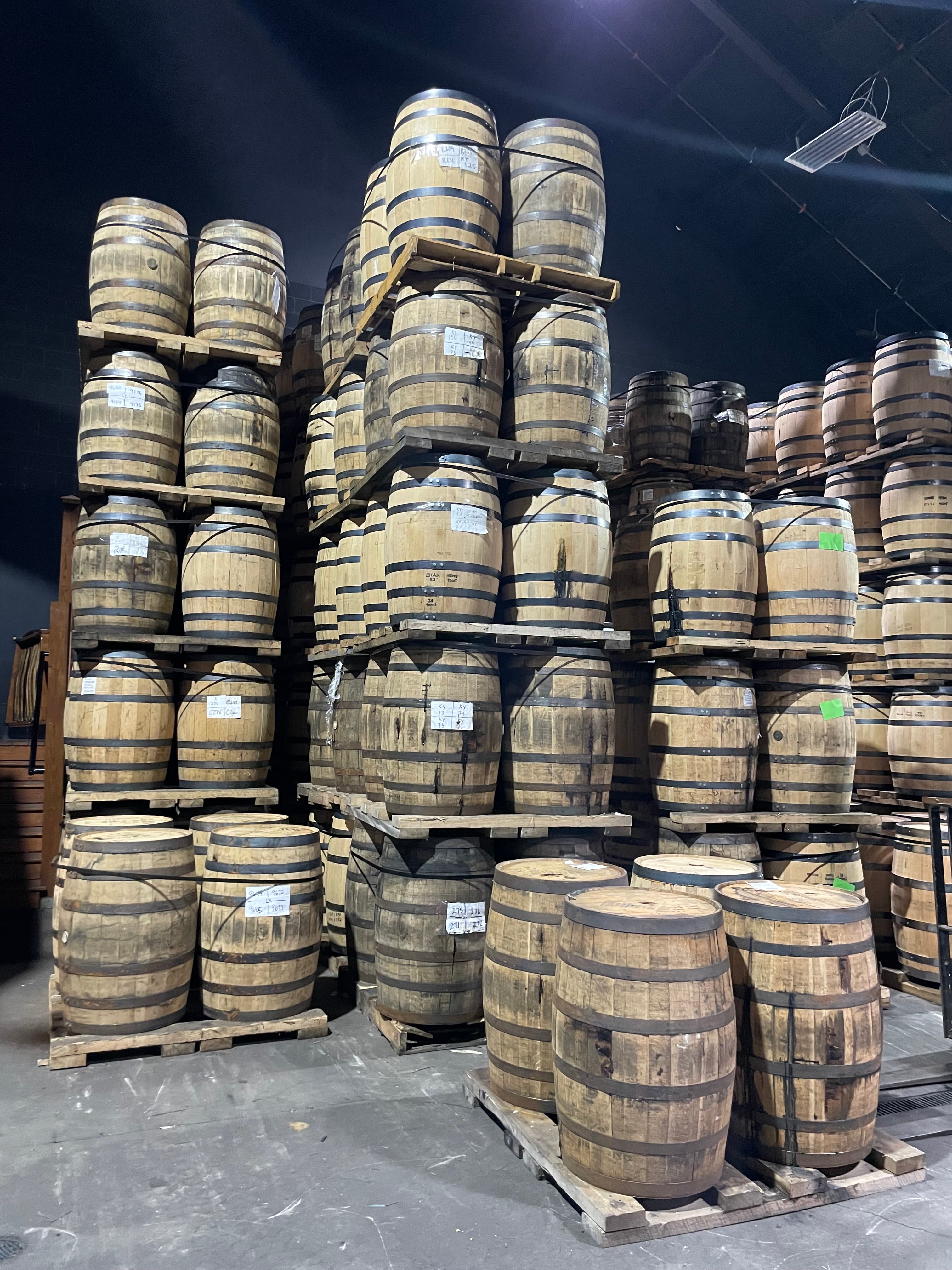
Four Roses, Heaven Hill, Waterford, and Michter's all point to the same truth: the whiskey world is still changing hands.
The whiskey industry has always been shaped by ownership. Who holds the keys to a distillery determines everything — from mash bills and barrel programs to pricing philosophy and allocation strategy. In 2025 and into 2026, a fresh wave of acquisitions, partnerships, and leadership transitions is quietly reshaping the landscape.
The Changing of the Guard
Four Roses' continued evolution under Kirin ownership, Heaven Hill's strategic positioning as one of the last major family-held operations, and the ongoing consolidation of craft brands into larger portfolios all signal that the era of independent, founder-led distilleries is giving way to something more corporate — but not necessarily worse.
The key question for enthusiasts isn't whether a distillery is independently owned. It's whether the new stewards understand what made the whiskey special in the first place — and whether they're willing to protect it.
Heritage Bottles in a New Context
When ownership changes, so does the meaning of legacy expressions. A bottle that once represented a family's vision now carries different weight under corporate stewardship. This doesn't make the liquid inside any less remarkable — but it does change the story, and in whiskey, story matters.
Michter's trajectory is instructive here. The brand's revival from dormancy to one of the most sought-after names in American whiskey is a story about stewardship done right — honoring a legacy while building something genuinely new. Whether that model scales across the industry remains to be seen.
The Waterford Experiment
Across the Atlantic, Waterford Distillery has been making a case that terroir — the specific character imparted by where and how grain is grown — matters as much in whiskey as it does in wine. Under Mark Reynier's leadership, Waterford has pursued single-farm origin whiskeys with an almost obsessive focus on provenance.
It's a fundamentally different philosophy from the blending-and-scaling approach that dominates Kentucky. Whether it represents the future or remains a niche experiment, it's the kind of bold thinking that keeps the category vital.
What We're Watching
At West Coast Whiskey Club, we keep a close eye on ownership transitions because they ripple through everything — barrel availability, pricing, and the long-term quality trajectory of the whiskeys we pick. When we select a barrel, we're not just evaluating what's in the glass today. We're making a bet on where that producer is headed.
The whiskey world is still changing hands. The question is whether the new owners will be builders — or just buyers.